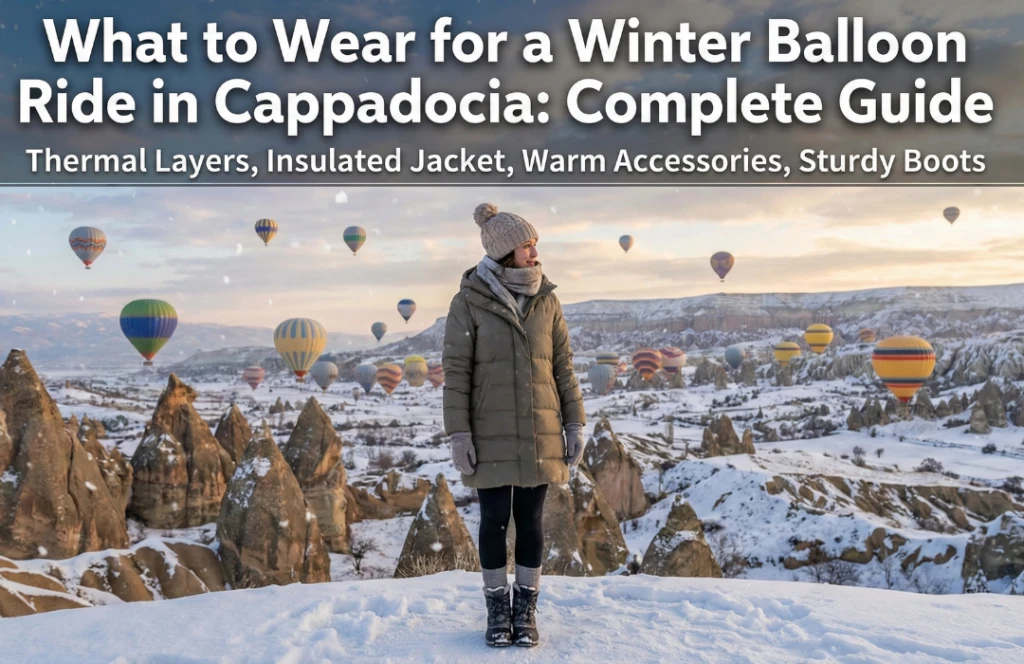
What to Wear for a Winter Balloon Ride in Cappadocia: Complete Guide
Winter balloon rides in Cappadocia offer a magical experience, but the early morning cold and high altitude require careful preparation. This comprehensive guide will help you dress appropriately for your unforgettable hot air balloon adventure.
Understanding Cappadocia's Winter Climate
Cappadocia's winter mornings can be surprisingly cold, with temperatures often dropping between -5°C to 5°C (23°F to 41°F) during balloon flight hours. The region's high altitude and dry climate create unique conditions that require specific clothing strategies.
Temperature Variations During Flight
The temperature difference between ground level and basket height can be significant. While you might feel cold waiting for takeoff, the balloon's burners provide warmth during flight. However, wind chill at altitude can make conditions feel colder than expected. Flights depart between 4:30-6:00 AM when temperatures are at their lowest.
The Science of Layering: Building Your Perfect Outfit
Successful cold-weather dressing relies on the layering principle, which creates insulating air pockets while allowing moisture management and temperature regulation.
Base Layer: Your Thermal Foundation
The base layer sits directly against your skin and serves as the foundation of your entire clothing system. Choose thermal underwear in merino wool or synthetic materials that wick moisture away from skin while providing insulation.
Material Selection: Merino wool represents the gold standard for base layers, offering excellent insulation even when damp, natural odor resistance, and superior comfort. Synthetic materials like polyester provide viable alternatives. Avoid cotton entirely - it absorbs moisture and loses all insulating value when damp.
Coverage and Fit: Choose full-coverage base layers including long-sleeve tops and full-length bottoms. The fit should be snug but not restrictive. Consider midweight options (200-250 gsm) for most Cappadocia winter mornings.
Mid Layer: Insulation and Warmth
Your mid layer provides the bulk of your warmth by trapping air close to your body. Fleece jackets, wool sweaters, or down vests work excellently for this purpose.
Fleece Options: Lightweight to midweight fleece (200-300 weight) provides substantial warmth while remaining breathable. Fleece compresses well, dries quickly, and maintains insulation even if damp.
Down and Synthetic Insulation: Down provides the highest warmth-to-weight ratio but loses effectiveness when wet. Synthetic insulated jackets maintain warmth even in damp conditions and typically cost less than down.
Multi-Layer Strategy: For the coldest conditions, use multiple thin to medium mid layers rather than one extremely thick layer. This allows more precise temperature regulation during flight.
Outer Layer: Weather Protection
Your outer shell protects you from wind and precipitation. A quality windproof and water-resistant jacket is essential for comfort during winter balloon flights.
Key Features: Look for jackets with adjustable hoods, high collars, multiple secure pockets, adjustable cuffs, and hem adjustments. Hip-length jackets provide good coverage while allowing unrestricted movement for climbing in and out of baskets.
Lower Body Clothing Essentials
Pants Selection
Combine thermal base layer bottoms with appropriate outer pants. Options include insulated snow pants, softshell pants, or thick jeans paired with thermal leggings. Avoid tight-fitting pants that restrict circulation and reduce warmth.
Best Choices: Softshell pants combine wind resistance and water resistance in a flexible package. Heavy denim works when combined with quality thermal base layers, though purpose-built outdoor pants perform better.
The Critical Importance of Proper Footwear
Your feet face harsh conditions during balloon flights. Inadequate footwear can turn an otherwise well-planned outfit into an uncomfortable experience.
Winter Boot Requirements: Quality winter boots should include:
- Insulation rated for temperatures 10-15 degrees colder than expected
- Waterproofing or water-resistance
- Ankle support for uneven terrain
- Deep tread patterns for traction
- Comfortable fit with thick socks without being too tight
Sock Strategy: Wear thick merino wool or wool-blend hiking socks. In extremely cold conditions, layer a thin liner sock under a heavier wool sock. Ensure boots accommodate layered socks without becoming too tight.
What to Avoid: Never wear fashion boots, sneakers, open-toe shoes, or high heels. These provide inadequate insulation and create genuine safety hazards.
Essential Accessories
Head Protection
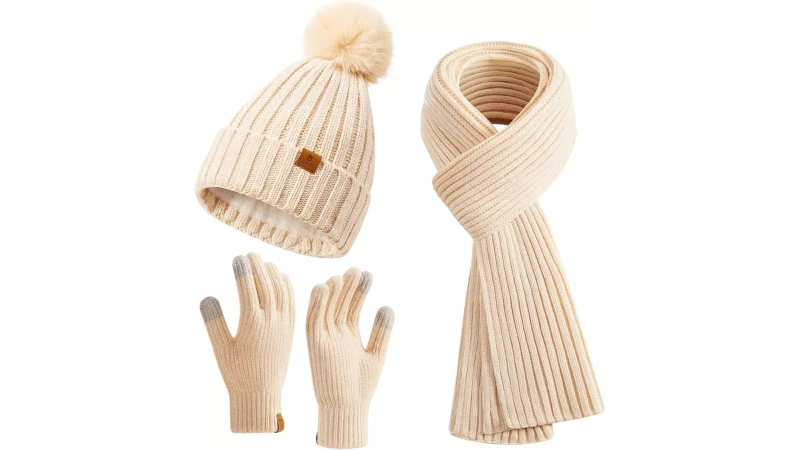
The human head can account for significant heat loss in cold conditions. A thick knit hat or beanie in wool or fleece that covers your ears is non-negotiable. Bring a backup hat in case your primary one becomes too warm.
Neck and Face Protection
Wool or fleece scarves provide excellent neck warmth. However, ensure scarves are tucked securely inside jackets near balloon burners - avoid loose ends. Neck gaiters offer warmth without loose fabric that could create hazards.
Hand Protection: The Two-Glove Strategy
Hands present unique challenges - you need both warmth and dexterity for cameras and phones.
Optimal Approach: Bring two types of gloves:
- Heavy insulated gloves for maximum warmth during cold periods
- Thin touchscreen-compatible gloves for operating cameras and phones
Switch between them as needed. Consider chemical hand warmers for supplemental heat in glove pockets.
Sunglasses for Winter Flights
Winter sun reflecting off snow creates intense glare, especially during sunrise. Polarized sunglasses reduce glare and improve visual comfort for viewing and photography.
Photography Considerations
Camera-Accessible Clothing
Structure layers so you can access cameras without removing multiple garments. Many photographers wear cameras over thin mid-layers but under outer jackets, unzipping for quick access while maintaining most insulation.
Pocket Configuration: Use large exterior pockets for lens caps, batteries, and memory cards. Keep spare batteries in interior pockets near body warmth - cold degrades battery performance significantly.
Protecting Equipment from Condensation
Before entering warm spaces after your flight, place cameras in sealed plastic bags while still outside. This prevents condensation on cold equipment. Allow cameras to warm gradually (30-60 minutes) before removing from bags.
Dressing Children for Winter Flights
Children lose heat more quickly than adults and may not communicate discomfort effectively. Dress them in the same layering system as adults with emphasis on:
- Easy movement for climbing into baskets
- Bright colors for visibility in pre-dawn darkness
- Secure closures that won't accidentally open
- Adequate coverage preventing gaps when moving
- Mittens attached to sleeves to prevent loss
Most operators require children to be at least 6 years old and approximately 120 cm tall. Consider hand warmers in children's pockets for proactive warmth.
Regional Flight Options
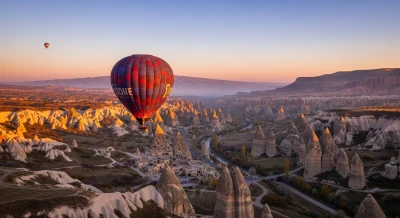
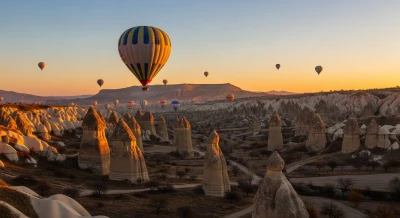
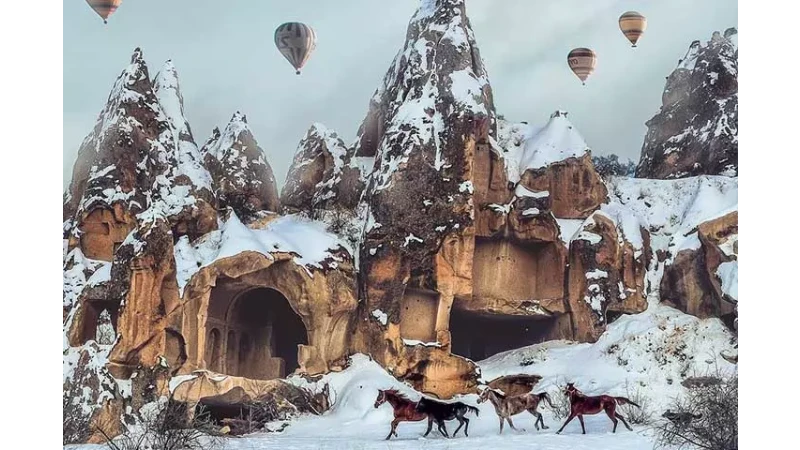
Most balloon flights operate over Göreme Valley, where fairy chimneys and rock formations create otherworldly landscapes. The standard hot air balloon flight over Göreme Valley at sunrise provides spectacular views of Cappadocia's iconic terrain.
When Göreme Valley flights are canceled due to weather conditions, operators may offer alternative experiences. The Ihlara Valley hot air balloon flight at sunrise provides a different but equally magnificent perspective, featuring dramatic canyon views and lush valley landscapes. Wear the same winter clothing regardless of flight location.
Pre-Flight Preparation
The Night Before
Lay out your complete outfit in dressing order:
- Base layers (top and bottom)
- Mid-layer insulation
- Outer pants
- Jacket
- Socks, hat, gloves, scarf, sunglasses
Check weather forecasts and verify temperatures match your clothing plan. Set multiple alarms - pickups typically occur between 4:30-5:30 AM.
Morning Routine
Dress in a warm room before heading outside. Your body temperature naturally reaches its lowest in early morning hours. Put on base and mid layers indoors, carrying your outer jacket to put on just before going outside.
Light Breakfast: Eat a small breakfast - digesting food generates body heat. Choose easily digestible options like oatmeal or toast. Avoid excessive fluids as flights last 45-90 minutes without restroom facilities.
What to Bring
Pack only essentials in pockets or a very small bag:
- Camera or smartphone
- Spare batteries (in warm pocket)
- Booking confirmation and ID
- Hotel key
- Lip balm
- Sunglasses
- Thin gloves (if using two-glove strategy)
Leave valuables and unnecessary items at your hotel or in support vehicles.
During the Flight
Managing Temperature Changes
Expect fluctuations: ground level is coldest, burners provide intermittent heat during flight, and post-landing you'll be outside for 20-40 minutes. Rather than removing layers, make minor adjustments:
- Partially unzip your jacket for ventilation
- Remove your hat temporarily
- Loosen your scarf
Safety Near Burners
While burners provide welcome warmth, they can damage synthetic materials with direct, prolonged exposure. Keep your head covered and avoid standing directly under burners for extended periods.
Post-Flight Activities
Transport returns passengers to hotels typically between 8:00-9:30 AM. Remove outer layers gradually in heated vehicles to allow comfortable temperature adjustment. Your balloon clothing works perfectly for continued winter outdoor activities, or layer down for indoor museum visits.
Shopping for Missing Items
If you've forgotten items, Göreme and Ürgüp have shops selling winter clothing. However, shop the evening before your flight - stores won't be open during early morning pickup times. Some operators offer rental items like gloves or jackets for small fees (€5-10), though inventory is limited.
Health and Safety
Cold Weather Considerations
Proper clothing prevents health risks:
- Hypothermia Prevention: Multiple layers and staying dry prevent dangerous core temperature drops
- Frostbite Protection: Ensure extremities (fingers, toes, ears, nose) are adequately protected
- Circulation: Avoid tight clothing that restricts blood flow and reduces warmth
People with circulatory conditions should use extra hand and foot warmers. Consult doctors before booking if you have concerns about cold exposure.
Final Comprehensive Checklist
Base Layers:
- ✓ Thermal long-sleeve top
- ✓ Thermal long underwear bottoms
- ✓ Wool or wool-blend socks
Mid Layers:
- ✓ Fleece jacket or wool sweater
- ✓ Optional insulated vest for extreme cold
Outer Layers:
- ✓ Windproof, water-resistant jacket
- ✓ Insulated pants or thick jeans with base layer
Footwear:
- ✓ Insulated winter boots with good tread
Accessories:
- ✓ Warm hat covering ears
- ✓ Heavy insulated gloves
- ✓ Thin gloves for dexterity (optional)
- ✓ Scarf or neck gaiter
- ✓ Sunglasses
- ✓ Hand warmers (optional)
Essentials:
- ✓ Camera/smartphone
- ✓ Spare batteries
- ✓ Booking confirmation
- ✓ Hotel key and ID
Conclusion
Your hot air balloon flight over Cappadocia represents a once-in-a-lifetime experience. Proper clothing preparation transforms this adventure from potentially uncomfortable to genuinely extraordinary. When you're warm and comfortable, you can focus entirely on the spectacular scenery, serene flight experience, and creation of lasting memories.
Winter offers specific advantages: clearer skies provide better visibility, fewer tourists mean more intimate experiences, and snow-dusted landscapes create ethereal scenes distinct from summer visits. The relatively modest investment in proper cold-weather gear pays enormous dividends in comfort, safety, and your ability to be fully present in each extraordinary moment.
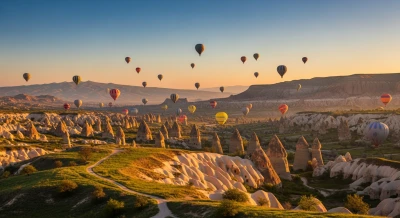
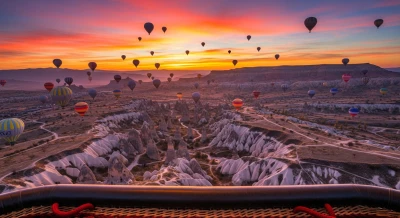
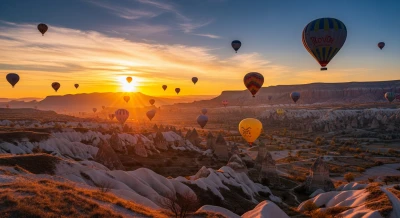
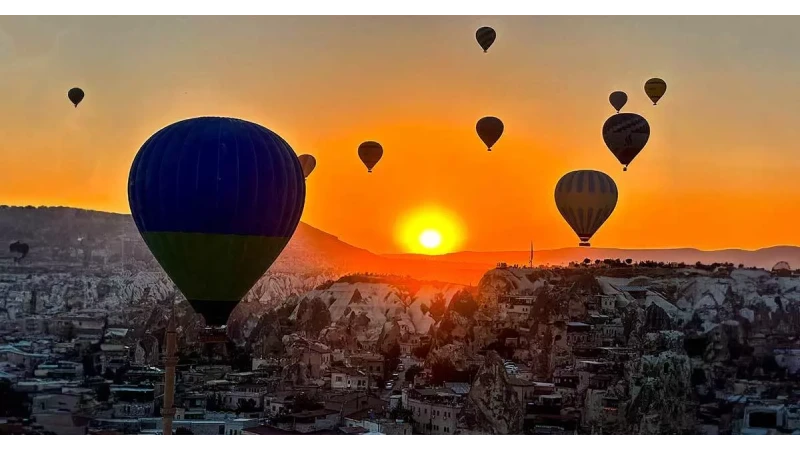
As you float silently above one of the world's most unique landscapes, watching dozens of colorful balloons drift against the sunrise, you'll appreciate the foresight in your clothing preparation. Warm feet, comfortable layers, and protected extremities allow you to grip the basket edge, operate your camera, and marvel at the beauty surrounding you without distraction.
Cappadocia's winter balloon flights combine natural wonder, human achievement, and personal adventure in ways few experiences can match. Proper preparation ensures you're ready to fully embrace every moment of this incomparable journey through the sky.
FAQ - Frequently Asked Questions
What should I wear for a hot air balloon ride in Cappadocia in winter?
Wear multiple layers including thermal base layers, insulating mid-layers (fleece or down), and a windproof outer jacket. Essential items include insulated winter boots, warm hat, gloves, scarf, and thick socks. Temperatures can drop to -10°C to 5°C during early morning flights.
How cold is it during a winter balloon ride in Cappadocia?
Winter morning temperatures typically range from -10°C to 5°C (14°F to 41°F) during balloon flight hours. Flights depart before sunrise when temperatures are at their coldest. Wind chill at altitude can make it feel even colder.
Can I wear jeans for a winter balloon ride?
Yes, thick jeans work when paired with thermal leggings underneath. However, insulated outdoor pants or softshell pants provide better wind resistance and warmth. Avoid tight-fitting jeans that restrict circulation.
Do I need special boots for a Cappadocia balloon ride in winter?
Yes, insulated winter boots with ankle support and non-slip soles are essential. Landing sites often feature uneven terrain. Boots should be waterproof, comfortable for standing, and rated for cold temperatures.
What kind of gloves should I bring?
Bring two types: heavy insulated gloves for maximum warmth during cold periods, and thin touchscreen-compatible gloves for operating cameras and phones. Switch between them as needed throughout the flight.
How long will I be outside in the cold?
Plan for approximately 2-3 hours total outside time including transportation, pre-flight preparation, the flight itself (45-90 minutes), post-flight celebration, and return transport. Full winter protection is needed throughout.
Should I bring sunglasses for a winter balloon ride?
Yes, sunglasses are highly recommended. Winter sun reflecting off snow creates intense glare, especially during sunrise. Polarized sunglasses reduce glare and improve comfort for viewing and photography.
What happens if Göreme Valley flights are canceled?
When weather prevents Göreme Valley launches, operators may offer alternative locations. The Ihlara Valley hot air balloon flight provides spectacular canyon views as an alternative experience.
Can I buy winter clothing in Cappadocia if I forget items?
Yes, Göreme and Ürgüp have shops selling winter clothing. However, shop the evening before your flight as stores won't be open during early morning pickup (4:30-5:30 AM). Some operators rent items for small fees.
What should children wear for winter balloon rides?
Children need the same layering approach as adults: thermal base layers, insulating mid-layers, and windproof outer layers. Children lose heat quickly, so consider extra layers and hand warmers in pockets.
Should I eat breakfast before my balloon flight?
Yes, eat a light breakfast. Digesting food generates body heat. Choose easily digestible options like oatmeal or toast. Moderate fluid intake as flights last 45-90 minutes without restroom facilities.
Are chemical hand warmers safe during flights?
Yes, disposable chemical hand warmers are safe and highly recommended for cold-sensitive individuals. Place them in glove pockets or hold in your palms for hours of supplemental warmth.