Cappadocia Hot Air Balloon Weather Guide: When to Fly for Perfect Conditions
Understanding Cappadocia Weather for Your Hot Air Balloon Experience
Planning a Cappadocia hot air balloon ride isn't just about choosing a date – it's about choosing the right weather window.
Because balloon flights are 100% weather-dependent, conditions in Cappadocia determine whether balloons can fly safely, what time of day is best (hint: sunrise!), and which months and seasons offer the highest chance of flying.
This guide explains Cappadocia balloon weather in a clear, simple and non-technical way, so you can plan your trip with realistic expectations and maximum chances of taking off.
Best Weather Conditions for Hot Air Ballooning in Cappadocia
Ideal Flying Weather Requirements
Hot air balloons in Cappadocia only fly when very specific weather criteria are met. Safety and stability come first.
Wind Speed: Ground wind: up to 10–15 km/h (6–9 mph), Upper-level wind: up to 25–30 km/h (15–18 mph), Winds should be steady, not gusty, No strong turbulence or sudden wind shifts.
Visibility: At least 5 km horizontal visibility, Clear view of landing zones, No dense fog or heavy haze, Cloud base typically above 1,000 meters.
Temperature: Operational range: -5°C to +35°C (23°F–95°F), Most comfortable: 10–25°C (50°F–77°F), Extreme cold or heat requires extra caution.
Weather That Cancels Flights
Any rain, snow, sleet or hail, Thunderstorms within ~50 km, Lightning activity in the region, Sandstorms / strong dust, Very unstable pressure systems. If any of these appear, flights are simply not allowed to operate.
Why Balloon Flights Happen at Sunrise
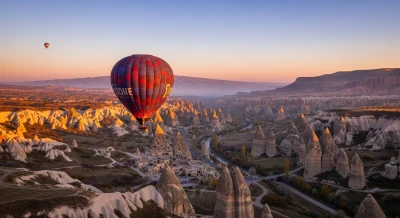
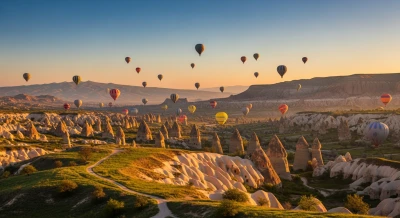
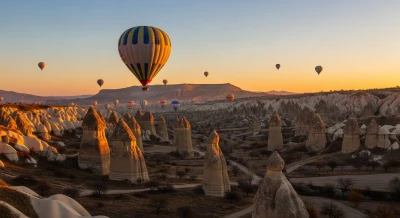
Almost all Cappadocia balloon flights launch between 5:00 and 7:00 AM, depending on sunrise time and season.
Sunrise Advantages: Winds are at their calmest, Atmosphere is most stable, Thermal activity (which causes turbulence) hasn't started yet, Temperatures are cooler and ideal for balloon performance, The light is incredible for photos.
Why Balloons Don't Fly in the Afternoon: Stronger thermals → more turbulence, Wind direction and speed change more quickly, Safety margins decrease, Comfort and smoothness of flight are affected.
So, if you're booking a Cappadocia hot air balloon, always expect an early morning pickup – that's part of what makes it safe and magical.
Cappadocia Weather by Season – When to Expect the Best Flying Conditions
Below is a simplified, traveler-friendly breakdown of Cappadocia balloon weather by season. It keeps the useful details without overwhelming you.
Spring (March – May)
Spring is one of the most beautiful times to fly in Cappadocia, with fresh green valleys and wildflowers.
March: Avg temps: 5–15°C, Cancellation rate: ~25–30%, Pros: Fewer crowds, dramatic skies, Cons: Wind and rain still frequent, Tip: Bring warm layers and a jacket.
April: Avg temps: 10–20°C, Cancellation rate: ~15–20%, Pros: Great balance of weather & scenery, Cons: Weather can still change quickly, Tip: Light jacket + layered clothing.
May: Avg temps: 15–25°C, Cancellation rate: ~10–15%, Pros: Near-perfect mix of reliability, comfort, and views, Cons: Demand and prices start rising, Tip: Excellent month for photos and flight success.
Spring verdict: Perfect if you want green landscapes + good weather, and you can accept a bit of unpredictability.
Summer (June – August)
Summer brings the most stable balloon weather – but also the biggest crowds.
June: Avg temps: 20–30°C, Cancellation rate: ~5–10%, Very high success rate for flights, Warm but comfortable mornings.
July: Avg temps: 25–35°C, Cancellation rate: ~5–8%, The most reliable flight month, Very crowded, hot afternoons.
August: Avg temps: 25–35°C, Cancellation rate: ~5–10%, Stable mornings, occasional evening storms, Strong demand and high occupancy.
Summer verdict: Best choice if your priority is "I must fly" and you don't mind heat and crowds.
Fall (September – November)
Autumn combines beautiful light, softer colors, and milder crowds – but weather becomes more changeable.
September: Avg temps: 20–28°C, Cancellation rate: ~10–15%, Pros: Great balance of conditions & fewer crowds, Cons: A little less stable than summer.
October: Avg temps: 12–20°C, Cancellation rate: ~15–20%, Pros: Autumn colors, comfortable mornings, Cons: More rain & wind days.
November: Avg temps: 5–12°C, Cancellation rate: ~25–35%, Pros: Quiet, good prices, dramatic skies, Cons: High chance of cancellations and cold.
Fall verdict: Best for travelers who want atmosphere + photography and are okay with accepting moderate weather risk.
Winter (December – February)
Winter brings snowy dreamscapes – and the highest cancellation rates.
December: Temps: 0–8°C, Cancellation: ~35–45%, Pros: Snowy fairy chimneys, magical views, Cons: Very cold, many cancellations.
January: Temps: -5–5°C, Cancellation: ~40–50% (highest), Pros: Stunning when flights operate, Cons: You need many backup days.
February: Temps: -3–8°C, Cancellation: ~30–40%, Pros: End-of-winter deals, snow possible, Cons: Still risky in terms of weather.
Winter verdict: Amazing if you love snow and don't mind risk – but plan at least 4–5 nights in Cappadocia.
Weather Cancellation Rates – What They Really Mean
It's important to know that weather cancellations are normal and actually a sign of professional safety standards.
Best months (June–August): Flight success: 90–95%
Good months (April, May, September, early October): Flight success: 80–85%
Challenging months (Nov, Dec, Feb, March): Flight success: 60–70%
Most difficult month (January): Flight success: 50–60%
What Happens If Your Flight is Cancelled?
Professional operators will: Notify you very early in the morning (usually 2–4 hours before pickup), Offer automatic rescheduling to the next available day, Provide a full refund if you can't reschedule.
You don't pay extra for weather changes – and you shouldn't fly with anyone who pressures you to go in borderline conditions.
How Cappadocia Balloon Weather Is Monitored
Balloon weather decisions are based on professional aviation standards, not guesswork.
Weather Data Sources: Turkish State Meteorological Service, Private aviation forecasting services, Local weather stations, Satellite and radar data, Real-time pilot and ground observations.
Weather Decision Timeline: 7 days before: General trend monitoring, 3 days before: Pattern analysis (fronts, pressure, etc.), 24 hours before: Early probability estimate, 2–3 hours before: Final go/no-go decision on site, During flight: Continuous monitoring and communication.
This layered approach ensures maximum safety and minimal surprises.
Best Time of Year for Cappadocia Balloon Flights (Quick Ranking)
If we combine weather reliability + comfort + scenery, here's a simple ranking:
May & June – best overall combo (reliability + comfort + landscapes)
September & early October – beautiful light, good reliability, fewer crowds
July & August – ultra-reliable but hot & crowded
April – lovely spring atmosphere, slightly more unpredictable
Late October & November – atmospheric, cheaper, but riskier
Winter (Dec–Feb) – spectacular when it works, but many cancellations
Weather-Based Trip Planning Tips
Want the Highest Chance of Flying? Choose June, July, August, Stay at least 2–3 nights in Cappadocia, Book your balloon for the first morning and keep backups, Use a flexible booking option if available.
Want the Best Overall Experience? Choose May or September, Stay 3–4 nights, Accept moderate cancellation risk, Enjoy balanced prices, crowds, and scenery.
Traveling on a Budget? Consider November or March, Stay 4–5 nights if balloons are a must, Be flexible and have backup plans if flights don't operate.
What Weather Feels Like in the Balloon
Many travelers ask, "Will I be freezing?" or "Is it windy up there?" – good news: it's usually gentler than you think.
The balloon moves with the wind → you don't feel much wind on your face, Temperatures at altitude are similar to ground, sometimes a bit cooler, The burner gives off some warmth from above, Dressing in layers is the smartest choice.
Rule of thumb: dress like it's 5°C colder than the forecast.
Weather FAQ – Cappadocia Balloon Flights
What is the best month for a Cappadocia hot air balloon ride?
The best overall months are May, June, September and early October, which offer a strong balance of flight reliability, comfortable temperatures and beautiful landscapes.
How often are balloon flights cancelled due to weather?
On average, around 20–25% of flights per year are cancelled for weather safety. In summer this can drop to 5–10%, while in winter it can rise to 35–50% depending on conditions.
What time do they decide if balloons will fly?
Most operators make their final decision 2–3 hours before pickup, typically between 3:00–5:00 AM, once real-time wind and visibility are checked at the launch sites.
Can balloons fly in rain or strong wind?
No. Any rain, snow or strong wind automatically cancels flights. Safe ballooning requires dry conditions, low wind and good visibility.
Is it very cold during a sunrise balloon flight?
It can be cool, especially in spring and winter, but not unbearable if you dress correctly. Wear layers, closed shoes and a light jacket or coat depending on season. The experience is calm and comfortable for most passengers.
What happens if my balloon flight is cancelled for weather?
You'll be offered free rescheduling to the next available day. If you can't fly during your stay, reputable companies provide a full refund for weather cancellations.