What to Wear on a Hot Air Balloon Flight in Cappadocia
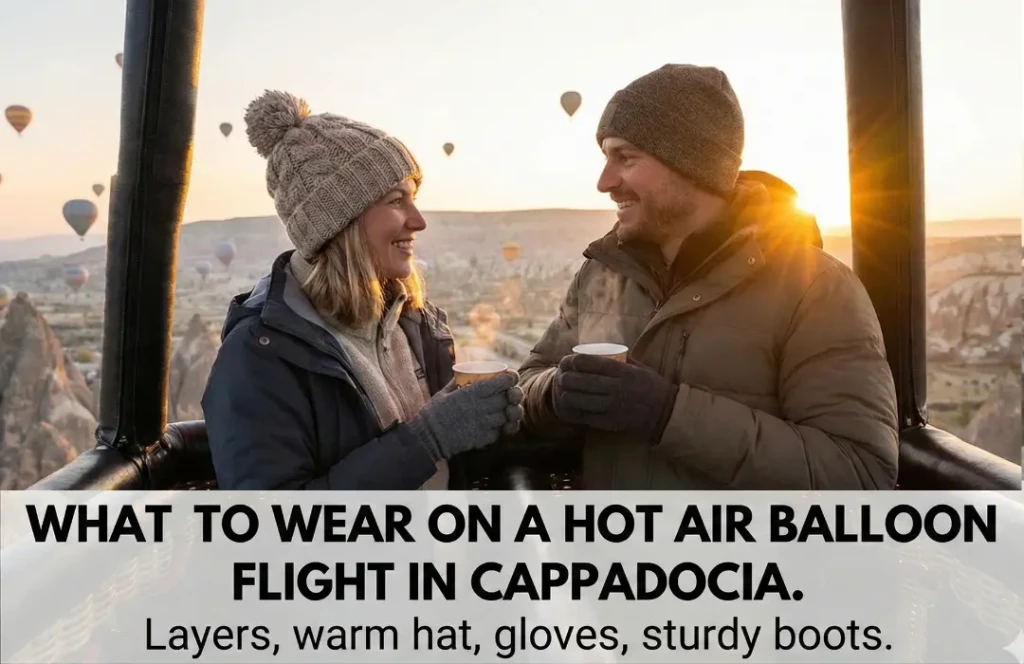
Standing in a wicker basket thousands of feet above Cappadocia's fairy chimneys at sunrise is magical—but only if you're dressed right. I've watched hundreds of passengers over the years, and I can tell within seconds who checked the weather forecast and who's about to have a cold, uncomfortable flight.
Let me share what actually works based on real experience, not just theory.
Why Your Clothing Matters More Than You Think
Here's something most people don't realize: that basket floor gets surprisingly cold. We're talking about direct contact with morning air that's often near freezing, even in summer. I've seen visitors in flip-flops literally hopping from foot to foot trying to stay warm.
The temperature difference between ground level and 3,000 feet can be dramatic. Add wind chill from our 10-15 mph cruising speed, and suddenly that light jacket doesn't seem like enough.
Best Clothing for Different Seasons
Winter Balloon Flights (December-February)
December through February brings Cappadocia's coldest weather, but also some of the clearest skies. Temperatures at launch time (around 6 AM) typically hover between -5°C to 5°C (23°F to 41°F).
What works:
- Thermal base layers (top and bottom)
- Fleece mid-layer or wool sweater
- Windproof winter jacket
- Warm pants (jeans work, but thermal leggings underneath help)
- Winter boots with thick soles
- Beanie or warm hat
- Gloves (you'll want to take photos, so touchscreen-compatible ones are smart)
- Scarf or neck warmer
The burner provides warmth, but it's intermittent. Between burns, you'll feel the cold quickly. For winter balloon flights, I always tell passengers: dress like you're going skiing, not sightseeing.
Spring Balloon Flights (March-May)
Spring is tricky. March mornings can still dip below freezing, while May feels almost summery. Early morning temperatures range from 5°C to 15°C (41°F to 59°F).
What works:
- Long-sleeve shirt
- Medium-weight jacket (removable is ideal)
- Comfortable pants or jeans
- Closed-toe shoes or sneakers
- Light scarf (optional)
- Thin gloves for March/early April
The key here is versatility. April and May mornings start cool but warm up fast once the sun rises. A jacket you can tie around your waist is perfect.
Summer Balloon Flights (June-August)
Don't be fooled by "summer"—those early morning launches are still chilly. Ground temperatures at sunrise typically sit between 15°C to 20°C (59°F to 68°F), but it feels cooler up high.
What works:
- Light long-sleeve shirt or t-shirt with light jacket
- Comfortable pants or light jeans
- Sneakers or comfortable closed-toe shoes
- Sunglasses (essential once the sun's up)
- Baseball cap or sun hat
Some visitors show up in shorts and sandals expecting hot weather. They're the ones shivering for the first 30 minutes of flight. The sun warms things up quickly, but those initial moments can be uncomfortable if you're underdressed.
Fall Balloon Flights (September-November)
Fall brings my favorite flying weather—crisp, clear mornings with temperatures between 10°C to 15°C (50°F to 59°F) in September, dropping to 5°C to 10°C (41°F to 50°F) by November.
What works:
- Long-sleeve shirt
- Medium jacket or fleece
- Comfortable pants
- Closed-toe shoes or light boots
- Light gloves for November
- Optional scarf for late fall
November starts feeling like winter again, so refer back to the winter clothing list if you're flying late in the month.
Footwear Guide for Balloon Flights
This deserves its own section because footwear mistakes are the most common I see.
Best options:
- Hiking boots or sturdy sneakers
- Closed-toe shoes with good grip
- Boots with thick, insulated soles
Why it matters: We launch from rural fields—sometimes muddy, often dusty, occasionally rocky. You'll step up into the basket (about knee-height), stand for 60+ minutes on a wicker floor, and land in another field where you might need to walk a bit.
Those Instagram-worthy white sneakers? They'll be brown by landing. High heels? Forget it—they can actually damage the basket floor and are dangerous during landing.
What NOT to Wear
Let me save you from uncomfortable mistakes:
Skip these:
- Open-toed shoes, sandals, or flip-flops (seriously, don't)
- High heels or platform shoes
- Loose, flowing scarves (wind + propane burner = bad combination)
- Brand new shoes (blisters during your flight aren't fun)
- Heavy, bulky coats (hard to move in the basket)
- White or light-colored shoes (unless you don't mind dirt)
Fashion vs. Function: I get it—you want great photos. But trust me, you'll look better in photos if you're comfortable and not shivering. Plus, the landscapes are so stunning that what you're wearing barely matters in the shots.
Accessories and Extras
Must-haves:
- Small backpack or crossbody bag (nothing too bulky)
- Sunglasses with strap or clip
- Phone with full battery
- Light gloves that allow phone use
Nice-to-haves:
- Chapstick or lip balm
- Small hand warmers (winter months)
- Extra layer in your bag (just in case)
Leave behind:
- Large bags or backpacks
- Umbrella (not allowed)
- Selfie sticks (dangerous and unnecessary)
- Drone (restricted airspace)
Understanding safety regulations and requirements helps you prepare better and know what's permitted onboard.
Temperature Guide by Month
Here's real data from our launch sites over the past five years:
Winter (Dec-Feb):
- December: -2°C to 5°C (28°F to 41°F)
- January: -5°C to 3°C (23°F to 37°F)
- February: -3°C to 7°C (27°F to 45°F)
Spring (Mar-May):
- March: 2°C to 10°C (36°F to 50°F)
- April: 5°C to 15°C (41°F to 59°F)
- May: 10°C to 18°C (50°F to 64°F)
Summer (Jun-Aug):
- June: 15°C to 22°C (59°F to 72°F)
- July: 18°C to 25°C (64°F to 77°F)
- August: 18°C to 24°C (64°F to 75°F)
Fall (Sep-Nov):
- September: 12°C to 20°C (54°F to 68°F)
- October: 8°C to 15°C (46°F to 59°F)
- November: 2°C to 10°C (36°F to 50°F)
Remember: these are ground-level temperatures at launch time (5:30-6:30 AM). Add altitude and wind chill, and it feels about 5°C (9°F) cooler.
Pre-Flight Checklist
The night before your flight:
- Check tomorrow's weather forecast
- Lay out your clothes (layering is easier when planned)
- Charge your phone fully
- Break in new shoes if you must wear them
- Prepare a small bag with essentials
Morning of your flight:
- Dress in layers you can adjust
- Eat a light breakfast (trust me on this)
- Use the restroom before pickup (no facilities at launch sites)
- Double-check you have your booking confirmation
When you book your balloon flight with us, we send detailed preparation information including current seasonal weather patterns and specific clothing recommendations.
Real Talk: Learning from Others' Mistakes
Over the years, I've seen it all:
The Underdresser: Showed up in July wearing shorts and a tank top, thinking "it's summer." Spent 45 minutes shivering and couldn't enjoy the views. Now we always emphasize: early morning + altitude = cold, regardless of season.
The Overdresser: Wore a massive winter parka in September. Within 20 minutes, he was sweating and couldn't take it off due to space constraints in the basket. Moderate layering would have served him better.
The Fashion Prioritizer: Wore brand new white canvas shoes because they matched her outfit. The dusty field turned them brown before we even took off. She was self-conscious the whole flight instead of enjoying the experience.
The Heel Wearer: Actually showed up in heeled boots (despite our emails). We had to help her change into backup shoes we keep for emergencies. Lost valuable morning light time and stressed everyone out.
Special Considerations
If you're tall: The basket sides are about waist-high. Taller passengers should especially avoid loose clothing around the neck area due to proximity to the burner.
If you're bringing kids: Dress them slightly warmer than yourself. Kids tend to get cold faster, and cold kids can't enjoy the experience. Also, secure all their loose items—dropped phones happen.
If you're a photographer: Wear a jacket with secure zippered pockets. Keep lens caps attached with strings. The last thing you want is your equipment falling 2,000 feet into a valley.
If you're concerned about motion sickness: Wear comfortable, breathable fabrics. Tight waistbands or restrictive clothing can worsen any queasiness, though hot air balloons are remarkably smooth. Learn more about what to expect during your flight to ease any concerns.
Weather Cancellations and Rebooking
Sometimes weather conditions force cancellations—it's part of ballooning. When this happens, you might need to fly the next day, so pack clothing for multiple scenarios if you have limited time in Cappadocia.
Final Thoughts: Comfort Equals Better Experience
Here's the bottom line: you're about to experience one of the world's most incredible sunrise flights. The fairy chimneys, the valley views, the other balloons floating beside you—it's genuinely magical.
Don't let poor clothing choices distract from that magic.
Dress practically, prepare properly, and focus your energy on soaking in the experience rather than managing discomfort. The photos will be stunning regardless of whether your outfit is Instagram-perfect, but you'll only truly enjoy the flight if you're comfortable.
Ready to fly above Cappadocia's otherworldly landscapes? Book your balloon flight today and experience sunrise from a whole new perspective. We'll handle the flying—you just handle the clothing.
Frequently Asked Questions
Q: Can I wear a dress or skirt on a balloon flight? A: While possible, it's not recommended. You'll be stepping up into the basket and standing for an hour. Pants or comfortable jeans are much more practical.
Q: Do I need special boots like the pilots wear? A: No. Regular sturdy sneakers or hiking boots work perfectly. Pilots wear specialized boots mainly for landing procedures and long hours of standing.
Q: What if I get too hot during the flight? A: You can remove layers once you're up and the sun rises. That's why we recommend a layering system rather than one bulky coat.
Q: Are there any clothing restrictions for safety reasons? A: Yes—no loose scarves or flowing garments near the burner, and closed-toe shoes are mandatory. Everything else is really about your comfort.
Q: Can I bring a change of clothes in the basket? A: Space is limited, but a small bag with an extra layer is fine. Large bags or backpacks should stay in the chase vehicle.
Q: What about jewelry—should I leave it at the hotel? A: Valuable jewelry is best left behind. Simple pieces are fine, but nothing you'd be devastated to lose if it somehow fell during the flight.
Q: Do I need different clothing for sunrise vs. afternoon flights? A: Most Cappadocia flights are at sunrise (it's when conditions are best). Afternoon flights would be warmer, but they're rarely offered due to wind patterns.
Q: Should I wear my contact lenses or glasses? A: Either works, but if you wear glasses, consider a strap to secure them. The wind isn't strong in the basket, but better safe than sorry.
Q: What should my partner/spouse wear if they're not as cold-tolerant as me? A: Have them dress one layer warmer than you plan to. It's easier to remove a layer than to be cold for 60+ minutes.
Q: Can I buy appropriate clothing in Cappadocia if I forgot something? A: Yes, local shops sell basic warm layers, but selection might be limited and prices higher than planned shopping. Better to bring what you need.
Last updated: December 30, 2025
Written by Kaan, Licensed Tour Operator | 500+ Cappadocia Balloon Flights Organized
Ready for your Cappadocia adventure? Our team has been organizing unforgettable balloon flights since 2018. Contact us anytime for personalized advice about your flight.